
Wisdom Tooth Extraction – Waco, TX
Remove Troublesome Wisdom Teeth and Improve Your Dental Health
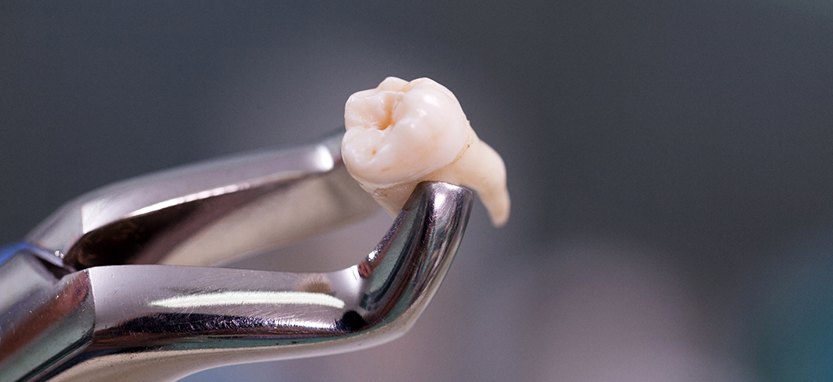
If you’re an adult and have begun developing aches and inflammation in your jaw, your wisdom teeth might be on their way. These third molars often cause issues as they push through the gumline, but our team is happy to remove troublesome wisdom teeth and improve your dental health with an extraction procedure.
But it’s natural to have questions before proceeding with this service. Continue reading to learn more about this treatment and what to expect, and please contact the office if you have additional questions or would like to make an appointment.
Why Choose Premier Family Dental for Wisdom Tooth Extraction?
- Experienced Working with Patients of All Ages
- Nitrous Oxide and Oral Conscious Sedation Offered
- Accept Dental Insurance & Flexible Financial Plans
What Are Wisdom Teeth?
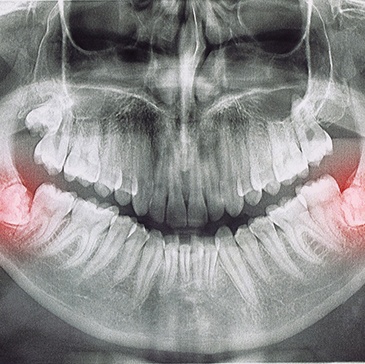
Wisdom teeth are a set of molars that typically erupt years after your other adult teeth have already grown in, usually between the ages of 17 and 25, though they can also affect older adults. Most folks have 4 of them, though it’s possible to develop just a few or none at all.
It’s believed that our ancient ancestors may have developed them for survival during a time when people survived on rough diets of roots, nuts, seeds, berries, and raw meat that could wear down, damage, or dislodge teeth. Early humans may have needed an extra set of molars to replace any that were no longer functional by adulthood. Today, they tend to be problematic and are no longer needed for survival, so they’re considered vestigial features that can be removed.
Why Do Wisdom Teeth Ned to Be Removed?
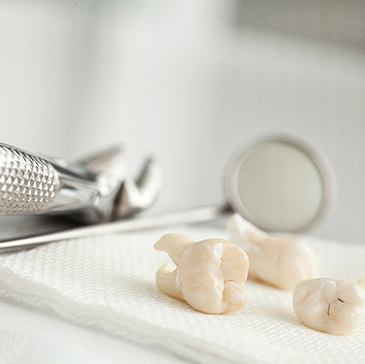
Wisdom teeth are extracted more often than not because they’re notorious for causing issues when they arrive, including:
- They can push neighboring teeth out of the way, contributing to misalignments or TMJ disorders.
- Removing them is often the most effective way to address associated aches and inflammation as they grow in.
- They can become trapped in the jaw or gums and become infected.
- Small, fluid-filled sacs can form on or near them in the jawbone, leading to permanent damage to the surrounding bone and nerves.
- Other oral issues. If they only partially clear your gums, they can be difficult to brush or floss and can easily trap food and bacteria that cause disease and decay.
What to Expect from the Wisdom Teeth Procedure

Once our team determines this treatment is right for you, we’ll begin by numbing your mouth with a local anesthetic and can also administer dental sedation to help you feel calm and comfortable throughout the procedure.
Then, depending on your circumstances, we can either grasp the tooth directly with forceps and wiggle it free from the socket, or create a small incision in your tissues to access the partially erupted or buried tooth. In some cases, the enamel may need to be broken into smaller sections that can be more easily removed without harming the jawbone.
Recovering from Wisdom Teeth Extraction

It’s essential that your mouth form blood clots at the extraction sites to prevent potential complications, and many of our team’s post-operative instructions are intended to help it do so. Potential recovery instructions might include:
- Getting plenty of rest and avoiding physical activities that elevate your heart rate or blood pressure.
- Drink lots of water to support your immune system and help cleanse your mouth, but don’t use a straw because the force of suction can harm your clot(s).
- Stick to soft, bland foods, such as scrambled eggs, mashed potatoes, yogurt, or pudding, that are less likely to irritate your already tender tissues until you feel comfortable adding solids back into your diet.
- Rinse your mouth with salt water in the first 24 hours to naturally disinfect it while soothing soreness and swelling, then resume brushing and flossing normally when you’re able.
- Address discomfort with cold compresses or over-the-counter medications, such as acetaminophen or ibuprofen.
- Contact our team right away if you experience severe or persistent pain, as it may indicate you’ve developed an infection or other complication, such as dry socket.
Understanding the Cost of Wisdom Tooth Extractions

Even if you understand that your wisdom teeth are causing you far too much too much trouble, it’s still perfectly reasonable to ask how much removing them will cost before you commit to the treatment. Since each patient is different, we cannot provide you with a proper cost estimate until we have evaluated your oral health at our office in Waco, but this guide can help you get a fair idea of what to expect until then. Here’s a quick look at how wisdom tooth extractions are priced at Premier Family Dental and how our team can help make the cost of your treatment manageable, but please feel free to contact our office if you’d like to know more.
Factors That Can Impact the Cost of Wisdom Tooth Extractions

The cost of wisdom tooth extractions is usually mostly determined by four factors, those being:
- How many teeth must be removed: Some people may not need all their wisdom teeth removed, and some individuals are born with fewer than four.
- Impaction: Wisdom teeth that fail to emerge properly from the gum tissue or remain embedded in the jawbone are harder to remove. Since the extraction procedure is more complicated and time-consuming in these cases, it is usually more costly.
- Anesthesia: The anesthetic used to keep you comfortable throughout the extraction process will be noted on your bill.
- The need for a specialist: In some especially complex cases, it may be necessary to refer a patient to a specialist who uses a different pricing structure.
Does Dental Insurance Cover Wisdom Tooth Extractions?

In some cases, dental insurance plans will offer at least some coverage for wisdom tooth extractions. When we see you for your consultation at our Waco office, we’ll be happy to help you navigate your policy so you can know exactly what it will pay for. How much your insurance provider will pay may be affected by factors like your yearly maximum and whether your deductible has been met, and choosing a dentist who is in-network with your plan can be a great way to reduce the cost of your care.
How to Make Wisdom Tooth Extractions Affordable

We understand that some patients may need a little help making their wisdom tooth extraction fit within their budget, and we’re eager to make sure that everyone in our community can receive the oral care they need to stay healthy. To that end, we offer options like:
- Flexible financing options: We partner with CareCredit and Compassionate Finance so we can offer our patients flexible payment plans that can break their bills into easy monthly payments.
- Our in-house dental membership plan: For $300 a year, an adult can have their routine oral care covered and receive significant discounts on many other procedures.
Wisdom Tooth Extractions FAQs
Does Everyone Have Wisdom Teeth?
Most people have all four wisdom teeth, but many people have fewer than that or none at all. Research suggests that somewhere between 5% and 37% of the population are born without all four wisdom teeth, which may be due to genetic factors, and most people’s wisdom teeth begin to emerge in their late teens or early twenties. However, it’s important to remember that you may have wisdom teeth even if you can’t see them since they may be stuck beneath the surface of the gum tissue. The best way to find out if you have unseen wisdom teeth is to receive X-rays at Premier Family Dental. If we find anything that needs to be addressed, we’ll be happy to develop a personalized treatment plan.
How Do You Make Wisdom Teeth Pain Go Away?
If your wisdom teeth are causing persistent pain, the only permanent solution is to have them removed by a qualified oral health professional. Until you receive the procedure, you may be able to reduce your discomfort with home remedies like:
- Taking over-the-counter pain medication.
- Wrapping a towel around an ice pack and applying it to the outside of your cheek for about twenty minutes at a time every few hours. This can reduce swelling and numb discomfort.
- Using an over-the-counter oral analgesic to temporarily reduce irritation.
- Rinsing your mouth with warm saltwater as needed. Make saltwater by mixing one teaspoon of salt into eight ounces of water.
What’s the Best Age to Get Wisdom Teeth Removed?
While there is no universal age by which a patient’s wisdom teeth must be removed, most oral health professionals will recommend extracting them in early adulthood. While wisdom teeth can be removed later in life, the recovery process is usually less stressful for younger patients since the dental roots grow longer and become more embedded in the jaw with age. Scheduling wisdom tooth extractions is often easier for people who are still in high school or college since they can plan the procedure around a long weekend or a holiday break. If your dentist recommends removing your wisdom teeth, doing it sooner can help you avoid pain as well as a host of unpleasant oral health complications.
How Long Does Wisdom Tooth Surgery Take?
Most patients will receive dental sedation during their wisdom tooth extractions, so it will probably feel like your procedure takes no time at all. It usually takes about fifteen to twenty minutes to remove a single wisdom tooth, and removing all four can take up to ninety. Factors that can contribute to the length of your procedure include how the tooth is positioned and whether it is impacted. The team at Premier Family Dental will be happy to provide you with an estimate as to how long your extraction will take during your consultation.